About
The Bunny Bin restores secondhand toys through a careful cleaning and repair process, giving each one a second chance. What sets us apart is this blend of circular economy principles and emotional storytelling. It’s not just extending a toy’s life; it’s prolonging its purpose. By reconnecting families to the joy of caring for something with a history, The Bunny Bin creates lasting value in a space dominated by disposable, mass-produced products.
Mission
If something brings you joy, should it ever end up in a landfill? The Bunny Bin doesn’t think so. We’re on a rescue mission, saving gently-loved toys before they're discarded, repairing what's broken, and finding them new homes. We’re redefining our relationships to the objects that matter to us, building a circular, lower-waste alternative to buying new, and proving that reuse can be joyful. Because something as innocent as a childhood toy has no business hurting the planet.
And sadly, that’s what happens. Toys are among the most plastic-intensive products on the market. The toy industry is a $120 billion global market. The U.S. accounts for 40% of it, despite being home to only 3.1% of the world's children. 90% of toys are made from plastic, and an estimated 80% end up in landfills, incinerators, or the ocean. Toys alone account for 6% of all landfill plastics.
The Bunny Bin is also expanding access to higher quality toys, one-of-a-kind finds, and more meaningful gifting than anything you'd pull off a big box shelf. We're working to strip the stigma from secondhand, bring joy back into reuse, and make the case that, as a culture, we already have much of what we need or could possibly want. We just need to stop throwing it all away.
We also believe more businesses have a responsibility to do good. The Bunny Bin is therefore built with that intention, and we hope, in doing so, to be a model for what a mission-first business can look like. We seek to foster a broader movement rooted in thoughtful design, reuse, and mindful consumption, while encouraging other companies to prioritize longevity, repairability, and environmental responsibility from the start.
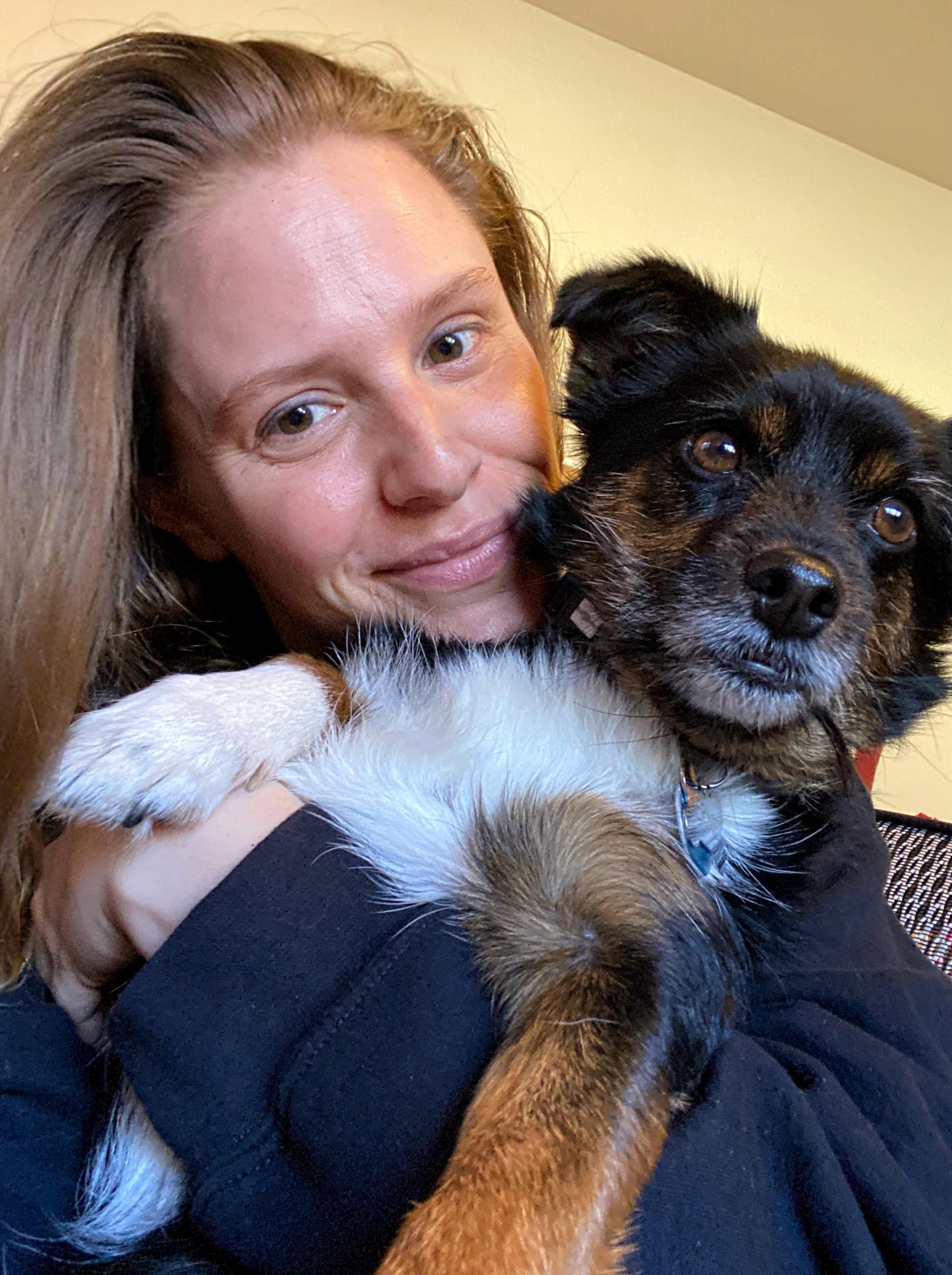
Who We Are
The Bunny Bin was founded by Kate Niemczyk, a journalist with a background in environmental and social justice storytelling. After years reporting on climate change at national news networks including ABC News, CBS News, and NBC News—and watching the journalism industry fracture around her, both in structure and principle—Kate launched The Bunny Bin in 2025 as a tangible way to push back against the buy-discard-repeat cycle that defines so much of modern consumption.
It was something she’d been questioning in one form or another since first reading Margery Williams’ The Velveteen Rabbit as a child, which you can read for free on our website. Just like the 1922 favorite, The Bunny Bin challenges the notion that newness is synonymous with value, that love is interchangeable, and that replacement is progress—and it rejects a culture that normalizes disposability, even in the objects we once held close.
What began as a small rescue effort quickly grew with the support of Kate’s family, friends, and a close-knit Vermont community, whose generosity and belief in the mission have shaped The Bunny Bin from the start.
The operation is also overseen by Kate’s dog Bernie, the Official Guardian of the Toys. A lifelong enthusiast of all things squishy, Bernie supervises each new arrival, ensuring every rescued friend feels properly welcomed before heading off to its next home.
Please Note: Bernie does not actually handle the toys. His role is strictly supervisory.
Kate (and Bernie) are always open to questions, comments, stories, and new connections. You can reach them through the Contact page.
Featured In
-
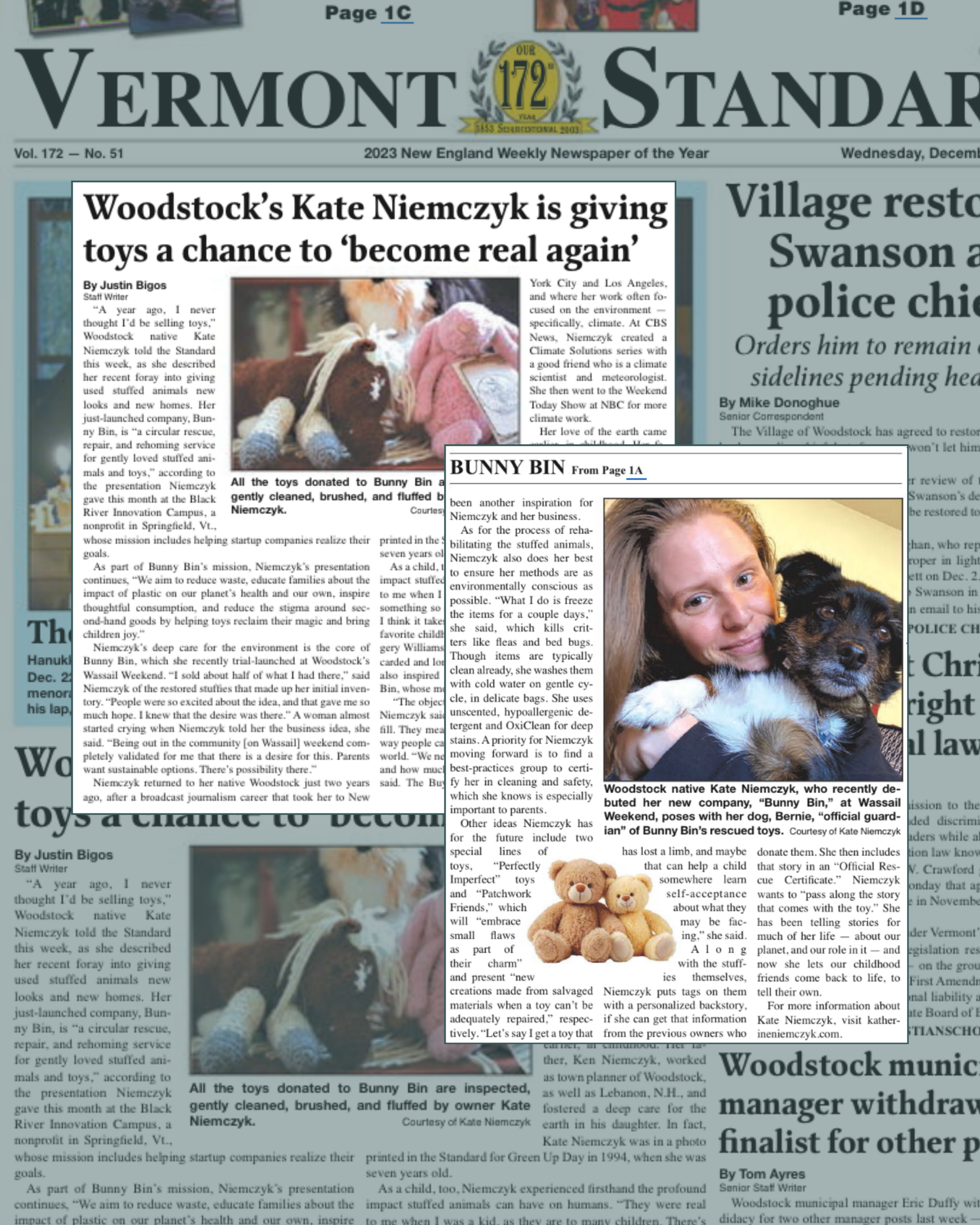
![A newspaper article with the headline 'Woodstock's Kate Niemczyk is giving toys a chance to 'become real again'. The article includes a photo of a girl hugging a small dog and holding a stuffed animal, along with other images of stuffed animals.]()
The Vermont Standard
-
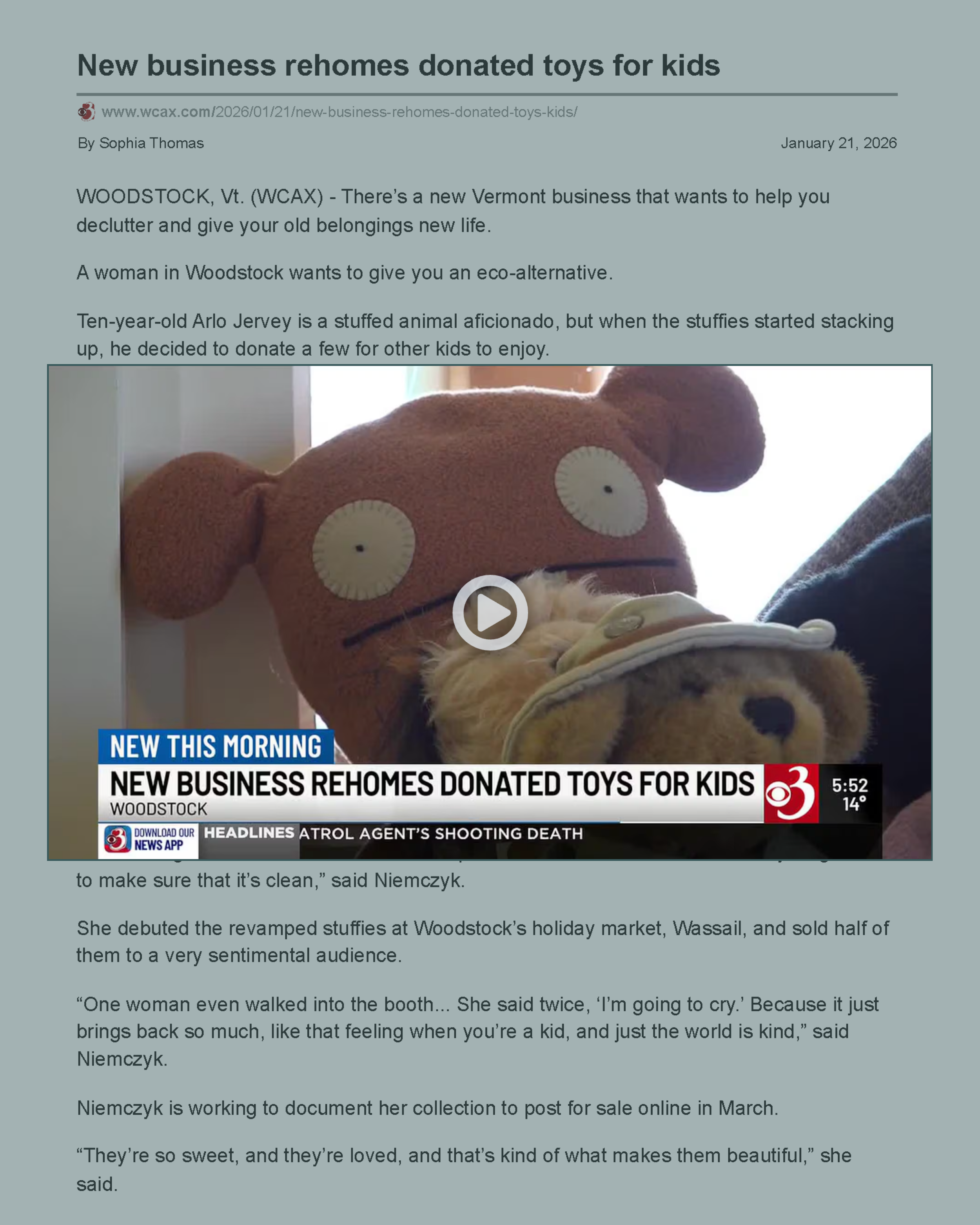
![A stuffed animal in the shape of a bear, with brown fur and circular white eyes, is presented in a close-up shot.]()
WCAX
-
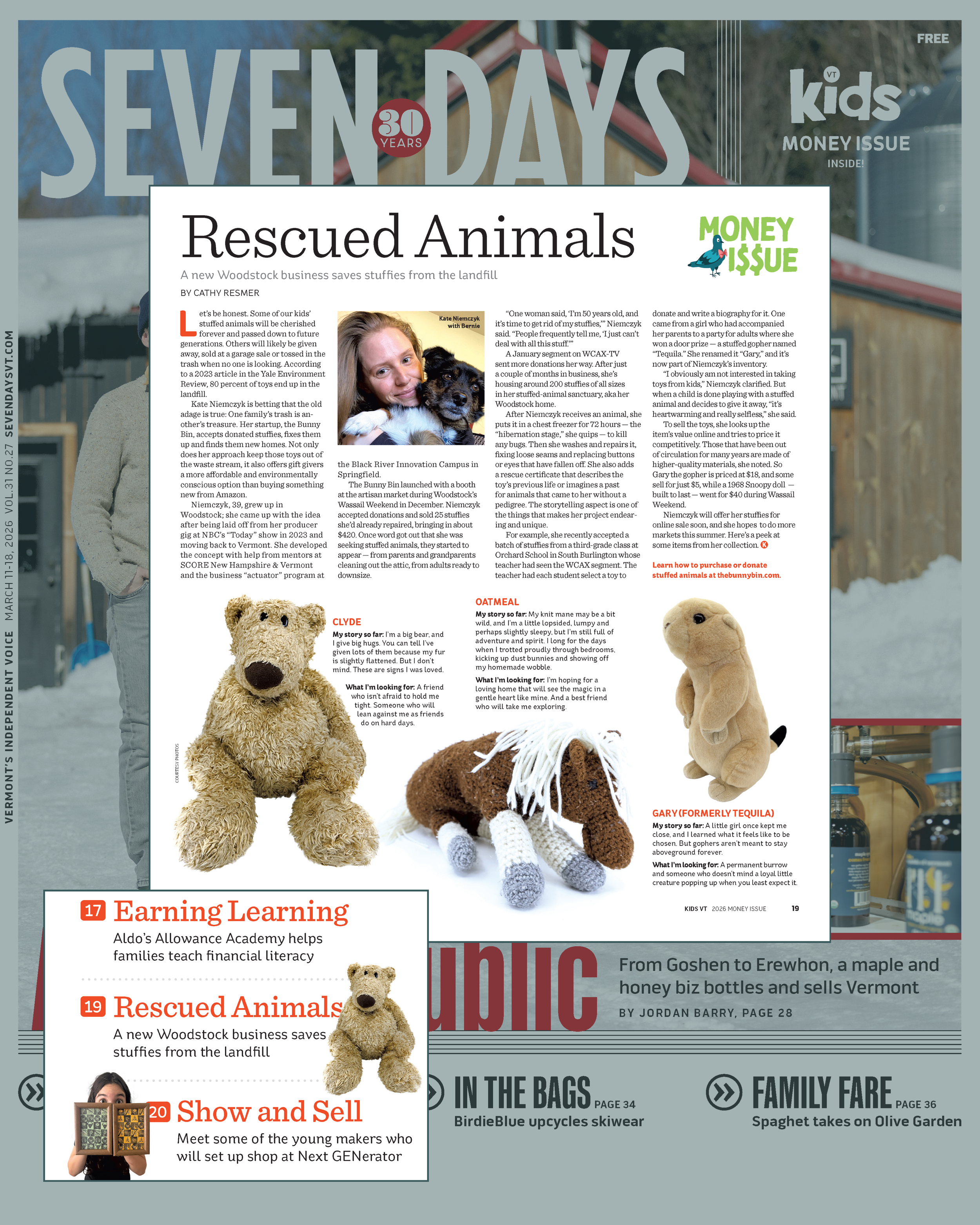
![Magazine page featuring an article about rescued animals, including photographs of stuffed animal toys resembling a dog, bear, and horse, with text describing their stories.]()
Seven Days
-
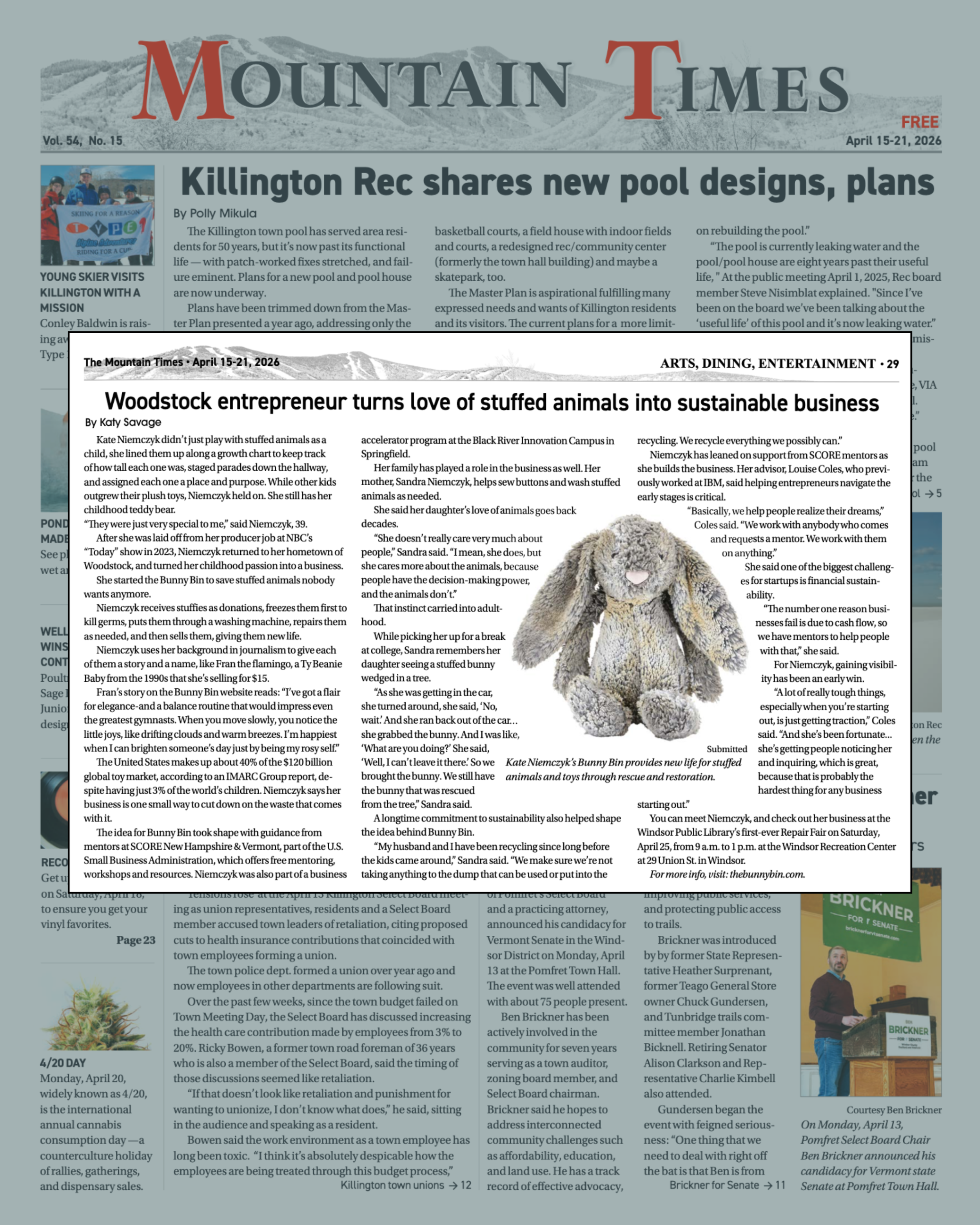
![A newspaper page titled 'Mountain Times' with a headline that reads 'Woodstock entrepreneur turns love of stuffed animals into sustainable business.' with a picture of a small grey stuffed animal bunny.]()
Mountain Times
-
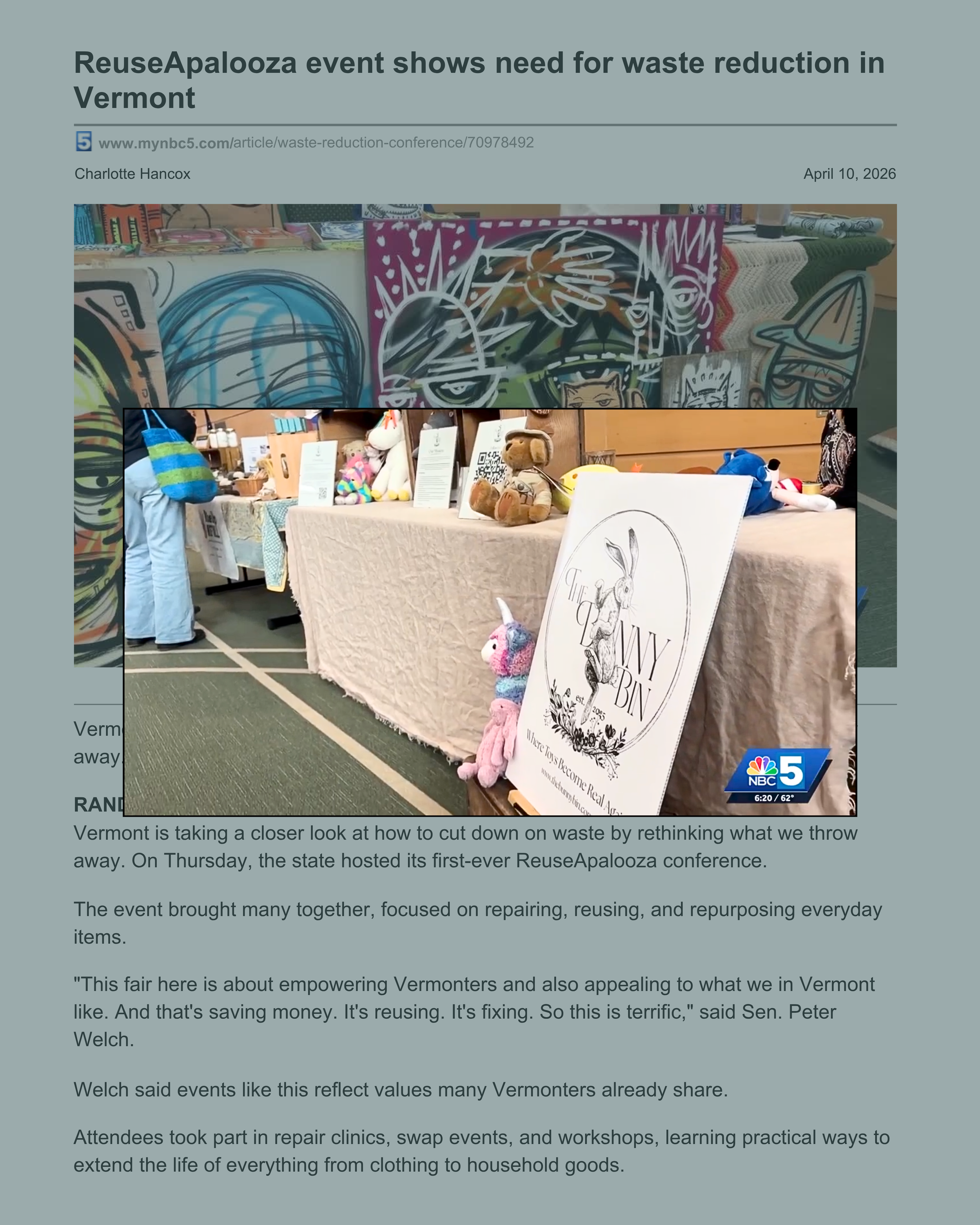
![NBC 5 ReuseApalooza]()
NBC 5
-
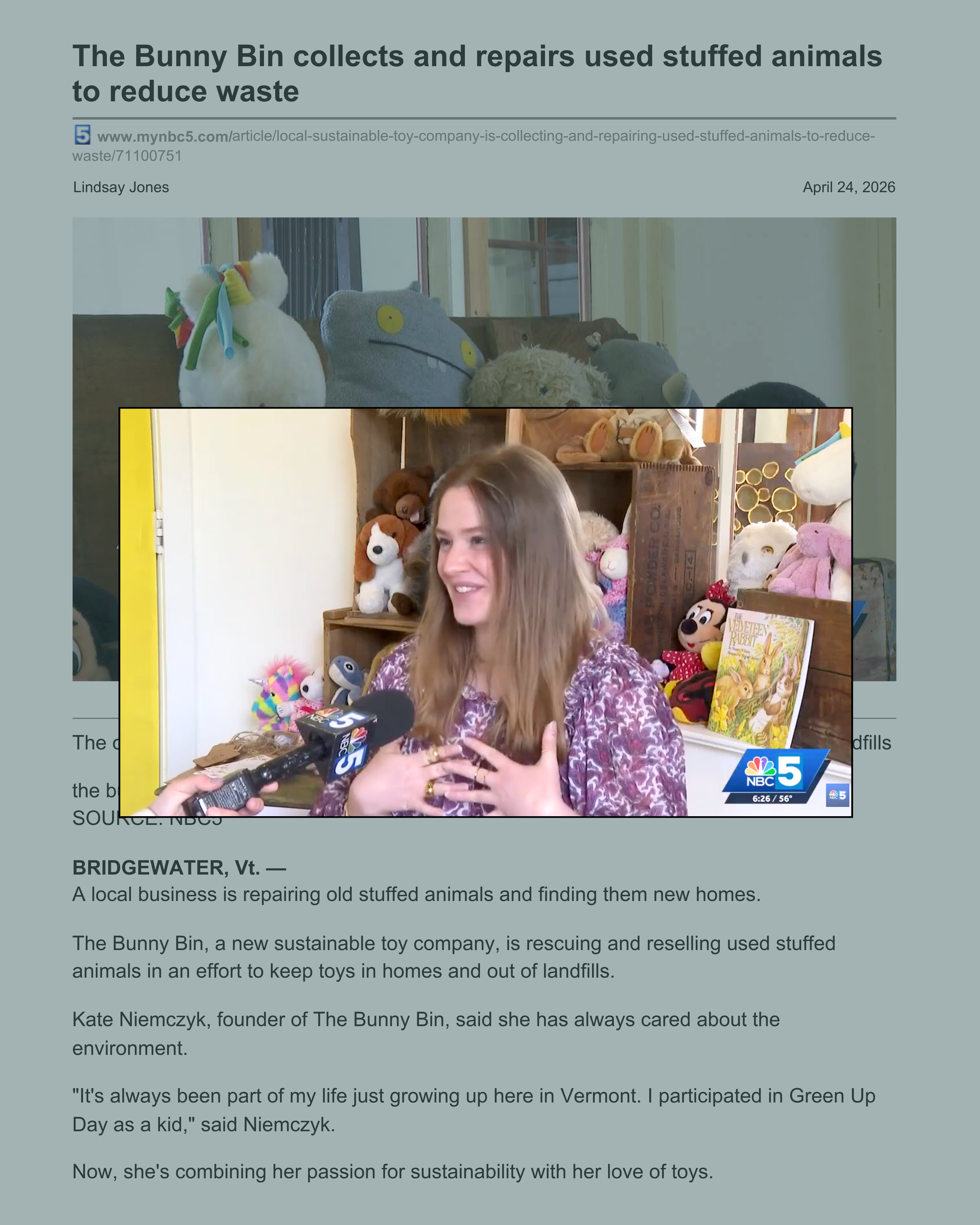
![A woman is being interviewed in front of a display of stuffed animals, including dogs, cats, and a rabbit, at a craft fair or store. She is talking into a microphone with the NBC 5 and NBC logos.]()
NBC 5
-
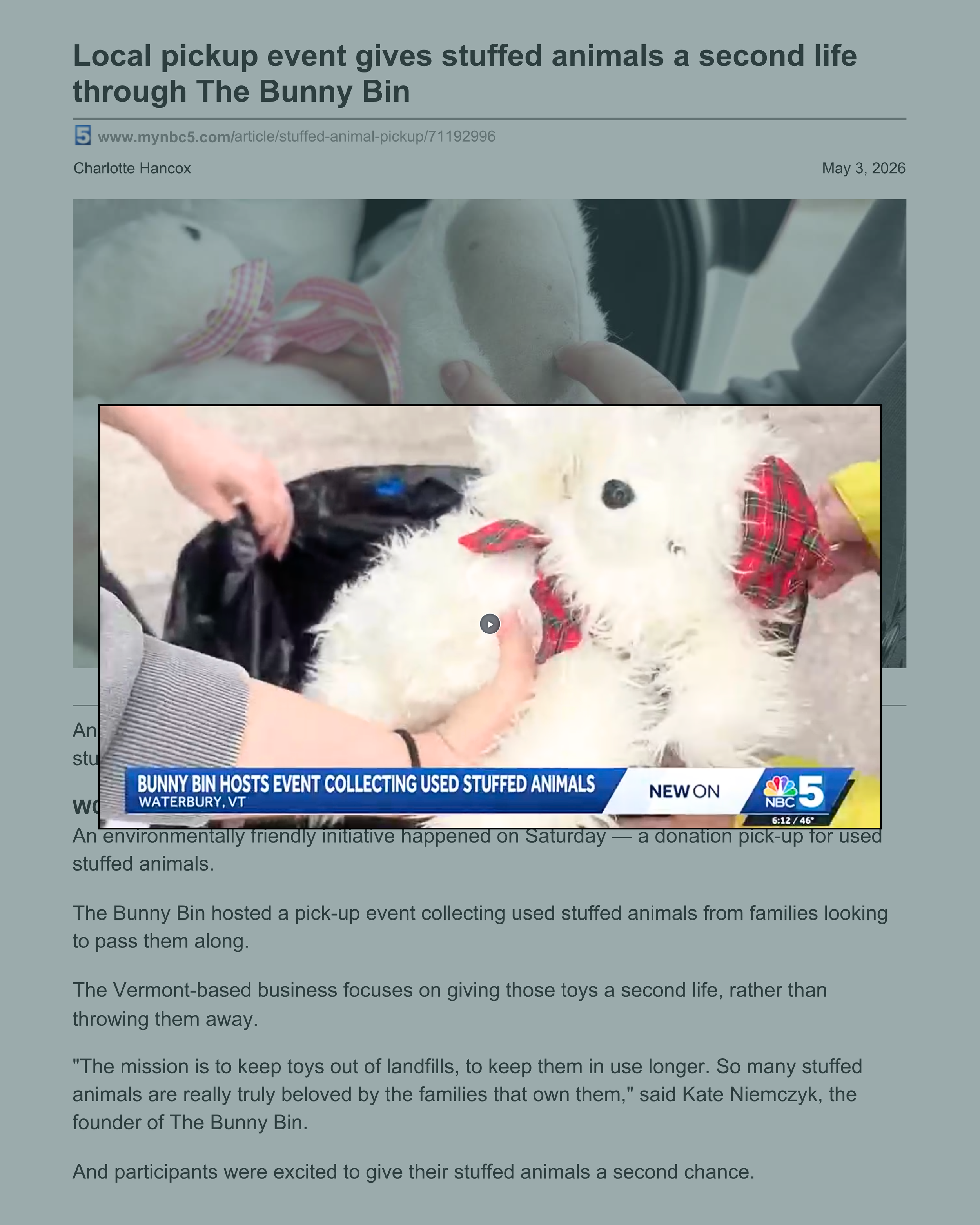
![NBC 5 Green Up Day Coverage]()
NBC 5